Change one thing at a time
An A/B test compares two versions that differ in exactly one element. If version B has a new hook, a different creator and a shorter ending, and it wins, you do not know which change did the work. You also cannot reuse the lesson in the next brief.
Start with the element that has the biggest effect on results. For short-form video that is almost always the hook: the first line, the first visual and the on-screen text in the opening seconds. Once you have a winning hook, keep it fixed and test the next element.
- Hook. The opening line and visual. Test this first.
- Call to action. "Shop the bundle" against "Try it for 30 days", or a discount mention against none.
- Length. A 15-second cut against a 30-second cut of the same video.
- Proof element. A before and after shot, a close-up of the label, or a screen recording of an app.
- Creator. Two different people delivering the same script. This needs two shoots, so test it after the cheaper elements.
- Format. Testimonial against product demo. This changes many things at once, so treat it as a concept test, not a fine-tuning test.
Hook angles worth putting against each other
A good hook test compares angles, not word choices. Two hooks that say the same thing in different words rarely produce a clear winner. Here are angle pairs we write for invented products, to show the difference.
- Problem against result. For a vitamin C serum, "My dark spots were the first thing I saw in every photo" against "Three weeks of this and I stopped wearing concealer".
- Curiosity against direct claim. For a meal-prep app, "I found the reason I kept ordering takeout" against "This app plans five dinners in two minutes".
- Objection against comparison. For a standing desk, "I thought these were a gimmick" against "Why I returned my old desk after a week with this one".
- Price against value. For a pet water fountain, "This costs less than a month of bottled water" against "My cat finally drinks enough".
For more angles organised by goal, see our collection of ugc ad examples.
How much budget a test needs
A test needs enough data on each version to separate a real difference from noise. Two versions with a handful of conversions each will swap places from day to day. The practical rule is to decide your success metric and budget before launch and not to call a winner early.
- Pick one primary metric. For hook tests, early metrics such as thumb-stop rate (3-second views divided by impressions) and hold rate react fastest. For purchase or install campaigns, confirm with cost per result once volume allows.
- Give each variant the same budget, the same audience and the same placements. Use the platform's split test or experiments tool where you can, so the audiences do not overlap.
- Run the test for several full days, ideally a full week, so weekday and weekend behaviour are both included.
- Set a minimum before judging. A common working threshold is several thousand impressions per variant for attention metrics, and a meaningful number of conversions per variant for cost per result.
- Keep everything else frozen. Do not change bids, audiences or the landing page mid-test.
If your daily budget is small, test fewer variants at once. Two clean variants teach more than five underfunded ones.
Reading results without fooling yourself
The most common mistake is reading the leaderboard on day one and pausing the losers. Early winners often regress once the platform's delivery system finishes exploring. Wait for your minimum, then look at the full picture.
- Compare the funnel, not one number. A hook with a high thumb-stop rate and a poor hold rate is grabbing attention it cannot keep.
- Check that the difference is large relative to the noise. A small gap on small volume is not a result. When in doubt, rerun the test.
- Look for the reason. Watch both videos again and write one sentence on why the winner won. That sentence goes into your next brief.
- Retire, do not delete. A losing hook in one audience may win in another. Keep a simple log of every test: variable, versions, dates, budget, metric and outcome.
- Watch for fatigue. A winner that slowly loses performance after weeks of spend is not broken, it is worn out. The fix is a fresh hook on the same body, which brings us to variants.
Why variants cut from the same footage are the cheapest test
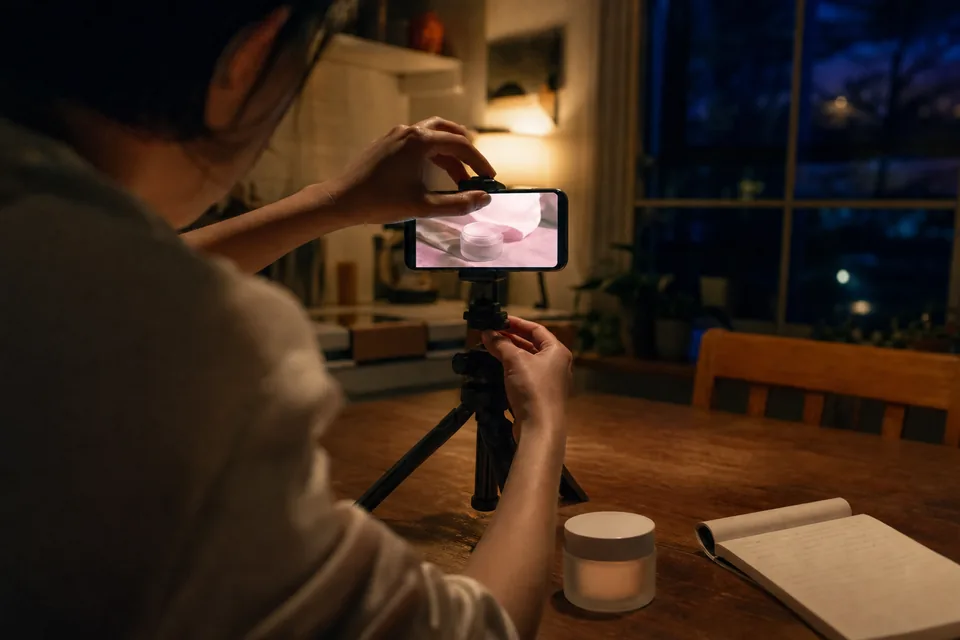
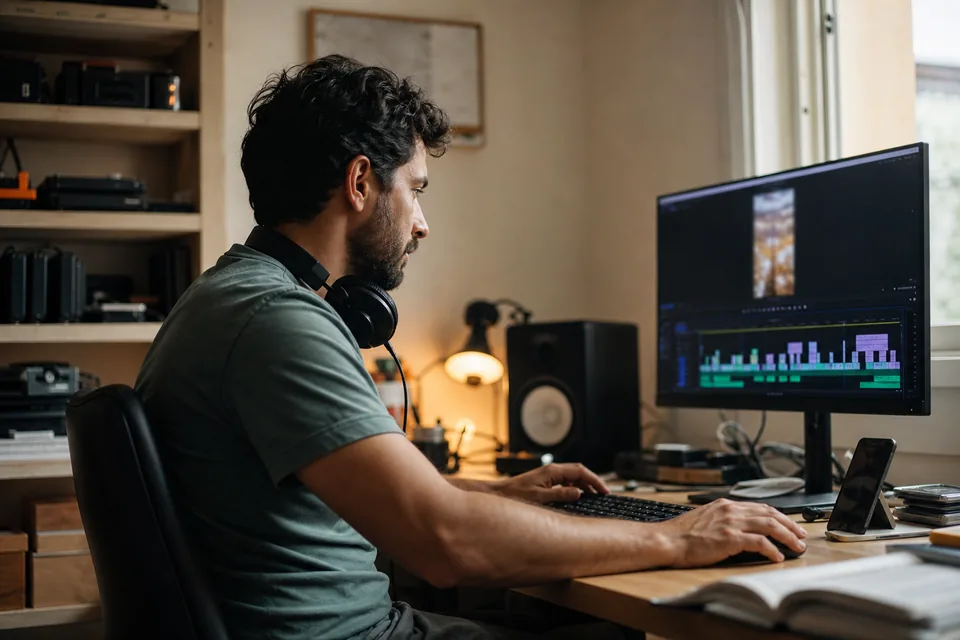
Every new shoot costs a creator fee, scheduling and editing time. A variant cut from footage you already have costs only editing. If the creator films three openings and two endings in one session, an editor can assemble several versions in which only the hook or only the call to action changes. That is a clean one-variable test with no extra filming.
It also keeps the test fair. The same person, light, location and product shots appear in both versions, so the only thing the audience reacts to is the element you changed.
This is how we work at UgcVids. Our scripts include 3 hook options on Growth, Scale and Studio, the creator films them in the same session, and our editors cut A/B variants with alternate hooks and calls to action from that footage. Growth includes 1 variant per video, Scale 2 and Studio 3. Scale and Studio also include raw footage, so your own team can build further variants later. Every variant is covered by the same paid ads usage rights as the main video; see ugc usage rights.
A monthly testing routine
Testing works best as a habit, not a project. A simple monthly cycle keeps fresh creatives flowing and turns each result into the next brief.
- Week one. Write the brief with one hypothesis, for example "objection hooks beat problem hooks for this product". Approve the script and the hook options in the order panel.
- Week two and three. Filming and editing. Variants are cut from the same footage.
- Week three. Launch the main video and its variants in a split test with equal budgets.
- Week four. Read results against your preset minimum, log the outcome, scale the winner and write the next hypothesis.
To see which formats and platforms to test first, read about ugc ads or check the full ugc video pricing.